Country of Residence
Kenya
Age
20
Project title
Bonga afya:Youth mental Health safe space kitengela
Project Summary: Describe your project in one sentence
Partimo CBO (Chairman Generali Lenteo) will create Kitengela's first youth mental health hub for 500 youth in 12 months. Problem: 40k youth face stress, drugs & joblessness with zero youth-friendly spaces. Solution: 1 safe room, 20 trained peer champions, weekly Sheng talk circles, a WhatsApp helpline, 2x/month psychologist clinic & monthly outreach. Budget Ksh1.8M. Sustainable via member fees & T-shirt sales.
Website URL(s) or social media handles.
Youths power
Project Category
My project is an existing project that I started
Project Stage
Growth (We’ve moved past the very first activities and are beginning to have consistent weekly or monthly impact)
Founding Story: What was the spark that led you to start your project? What was the "Aha!" moment that led you to get started and see the potential for this to succeed?
As Chairman of Partimo CBO in Kitengela, I interact with over 300 youth weekly at boda stages, markets and football fields. One evening in January 2025, a 23-year-old rider we call Brayo who was always joking and active did not show up for 3 days. We found he had attempted suicide in his single room. He left a note: "Nimechoka, hakuna mtu ananielewa. Ni stress tu." We rushed him to hospital and he survived. When I sat with him, he said he had no one to talk to, not parents, not friends, because they would laugh and call him weak. That was my Aha moment. I realized we were losing youth not just to drugs and joblessness, but to silent pain. We have car washes, gyms, bars, but zero place where a youth can say "I am not okay" without being judged. The same week, two other youth confessed they use bhang to sleep because of overthinking. I understood then that the biggest disease in Kitengela is not unemployment alone, it is loneliness and untreated mental stress. If we create a simple room with couches, tea, board games, and train fellow youth to listen in Sheng, not big English, youth will come. They trust each other more than doctors. My spark is Brayo. He is now one of our peer volunteers. I saw that if we save one Brayo, we can save 500. That is why Bonga Afya was born - from pain, to healing.
The Problem: What problem are you helping to solve? Why does it matter to you and your community?
Kitengela Ward hosts over 40,000 youth aged 18-35, mostly migrants seeking jobs. Kajiado data shows youth unemployment above 60%. Many survive as boda riders, mama mboga, construction casuals, and salon workers earning less than Ksh 500 per day. This economic pressure combines with family breakdowns, early pregnancies, heartbreaks, and academic pressure. The result is a silent mental health crisis. The county has zero youth-friendly mental health spaces. The nearest support is Kajiado Referral Hospital, 35km away, costly and stigmatized. Youth fear being labeled "chizi" or weak. So they cope through bhang, alcohol, gambling, and isolation. Local chiefs report at least 3 suicide attempts monthly, and police report rising youth crime linked to stress and drugs. Girls face extra burden of GBV, transactional sex, and single motherhood stress. Solving this matters to me because as Chairman of Partimo CBO, I bury friends who die by suicide and visit others in jail. I see bright youth wasting away saying "ni stress tu" yet with no place to be heard. Mental health is not a luxury, it is survival. If we heal the mind, youth can work, create businesses, and build peaceful families. Bonga Afya matters because an emotionally healthy Kitengela youth means a safer, productive Kitengela for all.
Your Solution: How are you solving this problem? Share your specific solution.
Bonga Afya works simple and youth-friendly. It is not a clinic, it is a vibe.A stressed youth in Kitengela hears about us from a friend, poster, or football tournament. He/she walks into our small rented hub near the bus stage. No reception desk, no white coat. Just a peer champion of same age saying "Karibu bro, Bonga Afya." There is tea, mandazi, board games, and soft music. The youth can just chill or choose to talk.*Day-to-day in action:* The hub opens 4 days a week, 10am-6pm. Every visitor signs a confidential mood chart on entry. A trained peer champion offers 30-min one-on-one listening in Sheng, using basic counselling and psychological first aid. Not diagnosing, just listening, validating, and teaching simple coping like breathing, journaling, and planning. If the case is severe like suicidal thoughts or GBV trauma, the peer refers to our psychologist who comes 2 days per month for free private clinic, or to Kajiado Referral Hospital via our referral card.Twice a week we run Bonga Sessions: 15-20 youth sit in a circle on mats, no phones, and share under a theme like "Mapenzi na stress," "Pesa na pressure," or "Mihadarati." A peer facilitates, everyone respects confidentiality. Youth realize "I am not alone." After session we play games and eat together to rebuild friendship.For youth who cannot come physically, we run a WhatsApp helpline 7am-10pm moderated by 2 peers. Youth send "Niko down" and get immediate response and coping tips. Weekly we post anonymous coping tips on TikTok and WhatsApp Status.Difference it makes: Instead of youth smoking bhang to sleep, they now text a peer. Instead of fighting or suicide, they come and talk. One visit reduces stress, repeated visits build resilience. Over 12 months, 500 youth get direct support, 20 become peer leader
Impact: How has your project created impact / made a difference so far? Or, if at an early stage, what will impact look like?
My story started with Brayo, a 23-year-old boda rider who attempted suicide in Jan 2025 because he had no one to talk to. That pushed me as Chairman of Partimo CBO to act. Although Bonga Afya Hub is still an idea awaiting funding, Partimo CBO already has strong grassroots reach. In the last 12 months without funding, we have reached over 800 youth through informal barazas, football matches, and boda stage talks on stress and drugs. We have mobilized 300+ youth weekly who attend our clean-ups and dialogues. We have 45 active registered members (28 male, 17 female) and 20 committed volunteers ready to be trained as peer champions. We have voluntarily supported 62 youth in distress through peer listening and escorted 8 serious cases to Kajiado hospital. With funding, we will transform this informal effort into a structured safe space. In 12 months we project direct support for 500 youth (300M, 200F), training 20 peer champions, referral of 100 high-risk cases to professionals, and outreach to 3,000 youth through schools, markets, and digital platforms. We will measure impact using mood scales before and after visits. It will work because it is youth-led, uses Sheng not big English, is free, confidential, and located where youth already hang out. Youth trust us because we are them. We are not outsiders.
Your Innovation: What is different about your project compared to other programs or solutions already out there? How is your project new or innovative?
Most mental health efforts in Kajiado fail youth because they are hospital-based, adult-led, expensive, and use formal English and clinical language. They wait for youth to come to hospital, yet youth fear being labeled "chizi" and cannot afford Ksh 2,000 per session. NGOs run one-off workshops in hotels, take photos, and leave. No continuity. Churches tell youth to pray only, which helps but ignores real psychological pain.Bonga Afya is different in 5 ways: 1. *Youth-led safe vibe, not a clinic:* We are not building a hospital. We are renting a simple room with graffiti, couches, board games, tea, and music. Youth come to chill, not to be treated. This removes stigma. Our counsellors are not doctors in white coats, they are peers aged 20-28 who speak Sheng, understand boda life, heartbreaks, and hustler pressure. 2. *Sheng and culture first:* Other groups use big English and psychology jargon. We use "Bonga Afya" - talk about health. We use storytelling, football, TikTok, and music to discuss stress, not boring lectures. Youth open up faster. 3. *Continuity + technology:* Instead of one-day seminar, we have a physical hub open 4 days a week plus a WhatsApp helpline 7am-10pm. Youth can text "Niko down" at night and get instant peer support. This blends physical safe space with digital safe space where youth already live. 4. *Economic link:* We understand stress in Kitengela is linked to joblessness. Unlike pure counselling centres, Bonga Afya also links youth to Partimo CBO's existing hustle programs - car wash, boda Sacco, and small business training. So after talking, youth get action plan for income, reducing root cause. 5. Tackling new challenge of male vulnerability:*
How many people are on your team?
45
Your team: What role(s) do your team members play? How do you share leadership with them?
We are a youth-led team of 6 core members plus 20 volunteer peer champions. I serve as Chairman and team lead for coordination. Our vice chair manages hub programs, secretary (female) handles girls and GBV cases, treasurer manages finance. A volunteer psychologist provides professional supervision 2 days/month and trains peers. A peer coordinator leads 20 champions (12M,8F) who do listening, Bonga sessions, and WhatsApp helpline. 45 Partimo CBO members support mobilization.
What’s Next: What are the next steps you plan to take to grow or strengthen your project over the next year? If your project is still in the idea stage, describe the steps you will take over the next three months to launch or begin developing it.
In the next 12 months, we want to scale Bonga Afya from an idea to a functioning youth sanctuary making bigger impact. *Activities:* 1. Secure and brand a 2-room hub near Kitengela stage with couches, privacy curtains, and games. 2. Train 20 peer champions on psychological first aid, confidentiality, and referral with help from Kajiado County psychologist. 3. Open hub 4 days weekly for one-on-one listening and 2 Bonga Circle sessions weekly. 4. Launch WhatsApp helpline 7am-10pm and weekly TikTok coping tips. 5. Run monthly Bonga Mtaani outreaches in boda stages, schools, and markets using football and music. 6. Host quarterly wellness festivals bringing youth, parents, and chiefs together to break stigma. *Goals:* Reach 500 direct youth, refer 100 high-risk cases, outreach 3,000 youth, and create 20 jobs for peer leaders. *Partnerships:* We plan to partner with Kajiado County Health Department for free psychologist time and referral, Chief and police for security and case referral, local schools for awareness, and a private hospital for GBV cases. We will partner with media like Kitengela TV and Radio Maisha for mental health campaigns. *Plans for bigger impact:* After pilot in Kitengela, replicate model to Isinya and Ngong where we already have CBO contacts. Train 100 more peers and link our data to county mental health policy advocacy. Long term,
How do you encourage other people to join your project or learn about the problem you’re working on? If you have a new idea, tell us how you will do this in the future.
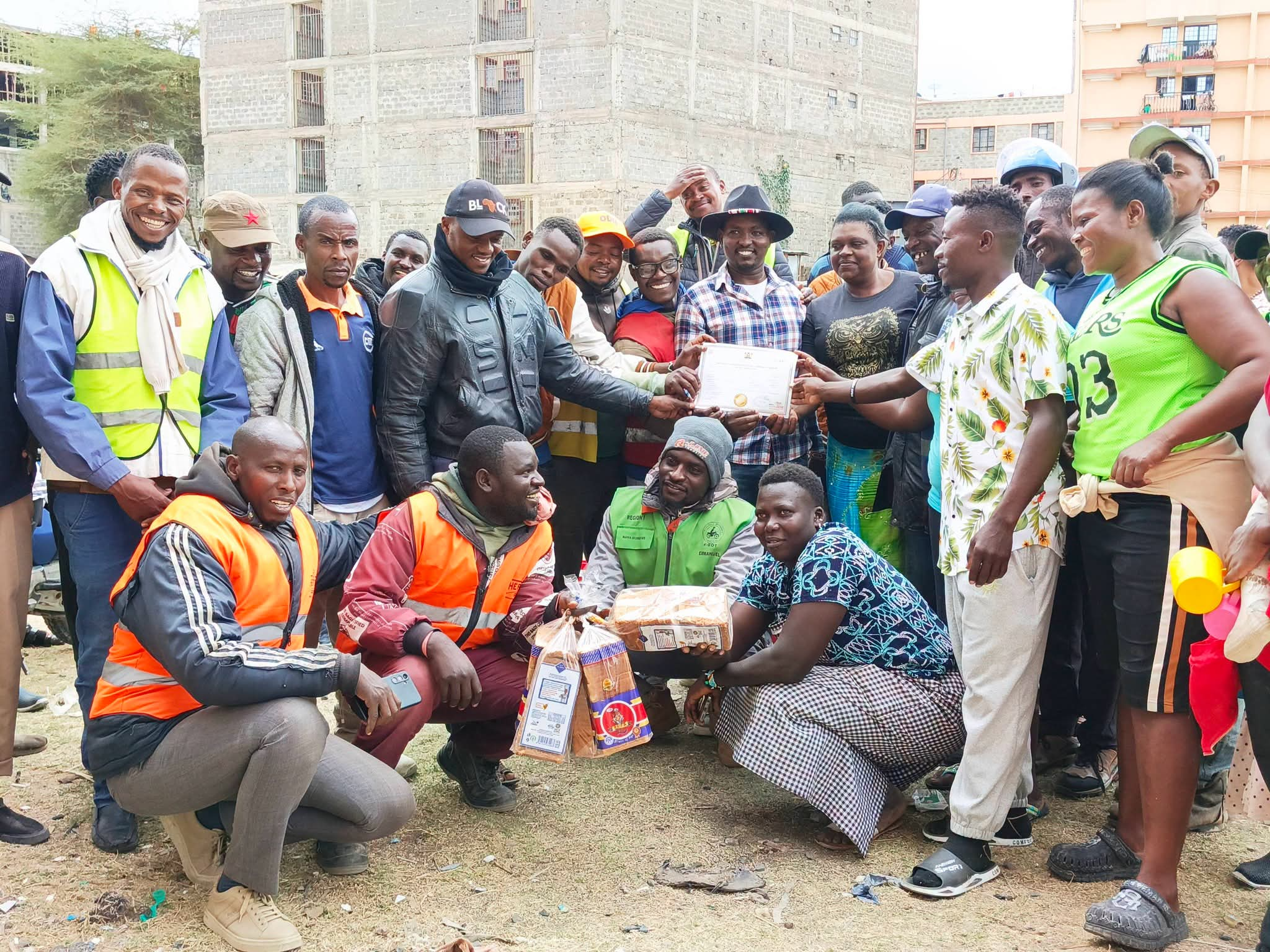
We believe healing is collective, so we have already activated many people even before funding. Through Partimo CBO in the last 12 months, we have directly engaged over 800 youth in Kitengela through football tournaments, boda stage barazas, market clean-ups, and open talks on stress and drugs. Of these, 300 youth interact with us weekly. 45 youth (28 male, 17 female) registered as active CBO members and contribute monthly ideas and small savings. 20 youth volunteered to become peer champions and are already doing informal listening at stages, escorting friends to hospital, and moderating our small WhatsApp group of 120 youth where we share coping tips. We activated 15 boda stage chairmen who now allow us to talk to riders during morning meetings and refer stressed riders to us. We activated 12 mama mboga and salon owners who display our posters and alert us on girls facing GBV or stress. We activated 5 local teachers who invite us to talk to students about exam pressure. We engaged the Kitengela Assistant Chief and 2 village elders who now refer youth cases instead of just punishing them. Impact of their action: 62 youth received informal peer listening, 8 high-risk cases were escorted to Kajiado hospital and survived, 4 youth left bhang addiction and joined our football team, and over 100 girls got advice on relationships and early pregnancy pressure.