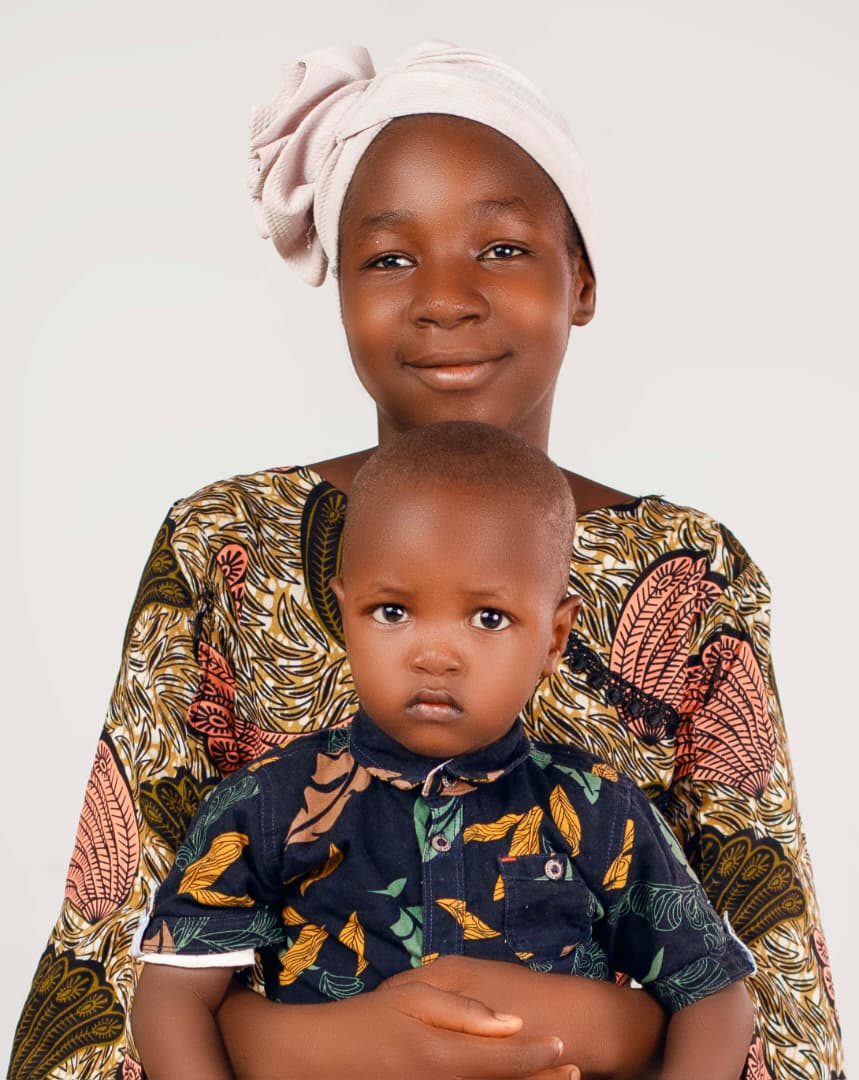
Age
13
Country of Residence
Nigeria
Founding Story: What was the spark that led you to start your project? What was the "Aha!" moment that led you to get started and see the potential for this to succeed?
Growing up in Maiduguri, I have seen how children can be affected when there is conflict and when people are afraid or divided. I began thinking about what children can do to help create peace around them. I realized that children may be young, but we can still influence our friends, our schools, our families, and our communities through the way we treat one another. My “aha!” moment was realizing that peace should not only be something adults talk about or something children wait for others to create. Children can also be part of building peace. A kind word, listening to someone who is different from us, forgiving a friend, solving disagreements peacefully, and refusing to spread hurtful words can make a difference. This led me to imagine Children for Peace—a project where children can learn together, talk about peace, share stories and drawings, act out peaceful solutions through drama, and encourage other children to choose kindness, empathy, dialogue, and forgiveness. I believe that when children learn to become peacemakers today, they can help build a more peaceful community tomorrow.
How do you encourage other people to join your project or learn about the problem you’re working on? If you have a new idea, tell us how you will do this in the future.
Children for Peace is still at an early stage, so I have not yet formally engaged participants through this project. My plan is to make it easy and exciting for other children to join by inviting them to take part in peace clubs, storytelling, drawing, drama, games, and child-to-child conversations. I will encourage children to share their own ideas about what peace means to them and to create their own peace messages. Children who are interested can become peer peace ambassadors and encourage their friends to participate and practice peaceful behavior. We will also use simple “Children for Peace” messages, drawings, stories, and creative activities to help families and other community members understand why children can play an important role in peacebuilding. With guidance from trusted adult mentors, I will reach out to schools, families, youth groups, and community organizations that may be interested in supporting child-friendly peace activities. As the project grows, I hope each participating child will become someone who encourages at least one other child to choose kindness, dialogue, empathy, and peaceful solutions to disagreements. My goal is to build a growing network of children who do not only learn about peace, but actively share it with others.
How many people are on your team?
1
Impact: How has your project created impact / made a difference so far? Or, if at an early stage, what will impact look like?
Children for Peace is currently at an early stage, so we have not yet claimed a number of children reached through this specific project. Our goal is to begin with a pilot group of children in Maiduguri and grow the initiative as we learn what works best. We hope to see children become more confident in talking about peace, listening to others, showing empathy, resolving disagreements without violence, and encouraging their friends to choose peaceful responses. We also want children from different backgrounds to have positive opportunities to interact, learn together, and build friendships. We will measure our progress by tracking the number of children participating in peace clubs and activities, the number of child-led peace actions completed, and the number of children who become peace ambassadors. We will also ask children what they have learned and use simple before-and-after questions to understand whether their attitudes and confidence around peaceful conflict resolution have changed. Our longer-term vision is for children who participate to take peace messages back to their friends, families, schools, and communities. If children begin to see themselves as capable of creating peace, the impact can extend beyond the children directly participating in the project.
Project Category
My project is a brand new / emerging idea
Project Stage
Pilot-Stage (We’ve tried an activity or two)
Project Summary: Describe your project in one sentence
Children for Peace is a youth-led initiative in Maiduguri that empowers children to become peace ambassadors through peer conversations, peace clubs, storytelling, drawing, drama, and simple community actions that promote kindness, empathy, forgiveness, dialogue, and peaceful relationships among children from different backgrounds.
Project title
CHILDREN FOR PEACE
The Problem: What problem are you helping to solve? Why does it matter to you and your community?
Children in Maiduguri grow up in a community where conflict, fear, misunderstanding, and division can affect how people relate to one another. When children see or hear about conflict around them, they may become afraid, distrust people who are different from them, or learn to respond to disagreements with anger instead of dialogue. I believe children should have opportunities to learn that peace is something we can practice every day. Many children are not given enough opportunities to talk openly about peace, understand different perspectives, resolve disagreements peacefully, or encourage their friends to choose kindness instead of hurtful words and actions. This problem matters to me because children are not only the future of our community; we are also part of the community today. If we learn how to listen, understand one another, forgive, cooperate, and resolve disagreements peacefully, we can influence our friends, families, schools, and neighborhoods. Children for Peace will help create safe opportunities for children from different backgrounds to learn together and become young peace ambassadors. By helping children develop positive attitudes and peaceful ways of handling disagreements, we can contribute to stronger relationships and a more peaceful community.
Website URL(s) or social media handles.
What’s Next: What are the next steps you plan to take to grow or strengthen your project over the next year? If your project is still in the idea stage, describe the steps you will take over the next three months to launch or begin developing it.
Over the next three months, I will focus on turning Children for Peace from an idea into a small pilot initiative. First, I will work with trusted adult mentors from Shabbat Love Mission International to develop simple, child-friendly peace activities and safeguarding guidelines. I will also identify a small group of children who are interested in becoming peace ambassadors. Next, we will hold our first child-friendly peace sessions using storytelling, drawing, games, drama, role-play, and conversations about kindness, empathy, forgiveness, friendship, and peaceful conflict resolution. I will listen to the children and learn which activities they find most useful and enjoyable. We will then begin a small “Children for Peace” campaign where participating children create peace messages, drawings, stories, or simple actions that can be shared with other children and families. Finally, we will collect feedback from the children, document what we learn, and identify additional young people and trusted community partners who can help us expand the project. Our goal is to build a strong foundation before growing Children for Peace to reach more children in Maiduguri.
Your Innovation: What is different about your project compared to other programs or solutions already out there? How is your project new or innovative?
Children for Peace is different because it puts children at the center of peacebuilding. Many peace efforts are designed mainly by adults for children to receive, but our project gives children opportunities to become peace ambassadors and encourage other children to practice peace in their everyday lives. Our approach combines peace education with creativity and child-to-child learning. Instead of relying only on lectures, children will use storytelling, drawing, drama, role-play, games, and conversations to explore real situations they experience with friends and classmates. They can practice how to listen, understand another person's feelings, manage disagreements, apologize, forgive, and find peaceful solutions. Another innovative part is the “Children for Peace” campaign. Children will create their own peace messages and small peace actions and share them with other children and their communities. This allows children to become messengers of peace rather than simply participants in a programme. The project is also designed to bring children from different backgrounds together around shared values such as kindness, respect, friendship, empathy, and peaceful cooperation. We want children to discover that they can build relationships across differences. Our innovation is therefore not necessarily inventing a completely new peacebuilding method. It is applying familiar peacebuilding tools in a child-led, creative, peer-to-peer way and giving children a stronger role in creating and spreading peaceful behavior in their own communities.
Your Solution: How are you solving this problem? Share your specific solution.
Children for Peace will create opportunities for children in Maiduguri to become active peacebuilders among their peers. Instead of treating children only as beneficiaries of peace programmes, the project will give them simple tools and opportunities to promote peace themselves. We will organize child-friendly peace clubs and small group sessions where children can learn about kindness, empathy, forgiveness, respectful communication, cooperation, and peaceful ways of resolving disagreements. Children will be encouraged to share their experiences and discuss how they can respond when conflicts happen among friends or classmates. We will use creative activities such as storytelling, drawing, drama, role-play, games, and child-to-child conversations to make peace education easy and enjoyable. Through role-play, for example, children can act out common disagreements and practice solving them through listening, dialogue, and understanding instead of fighting or insulting one another. Children will also develop simple peace messages and take part in a “Children for Peace” campaign, sharing positive messages with other children, families, schools, and their communities. They can create drawings, short messages, stories, or small peace actions that encourage friendship and respect across different backgrounds. Martha will help coordinate the youth-led activities with adult guidance and support from Shabbat Love Mission International. Children who participate will be encouraged to become peace ambassadors who can model peaceful behavior and encourage their friends to do the same. The goal is to help children understand that peace is not only something adults create. It is something every child can practice through everyday choices and relationships.
Your team: What role(s) do your team members play? How do you share leadership with them?
I am currently the youth leader of Children for Peace. I will help shape the activities, lead child-to-child conversations, and coordinate peace messages and creative activities. As the project develops, I would like to involve other children as peer peace ambassadors and work with trusted adult mentors from Shabbat Love Mission International for guidance, safeguarding, and practical support. Leadership will remain child-led, with children helping choose activities and ideas.