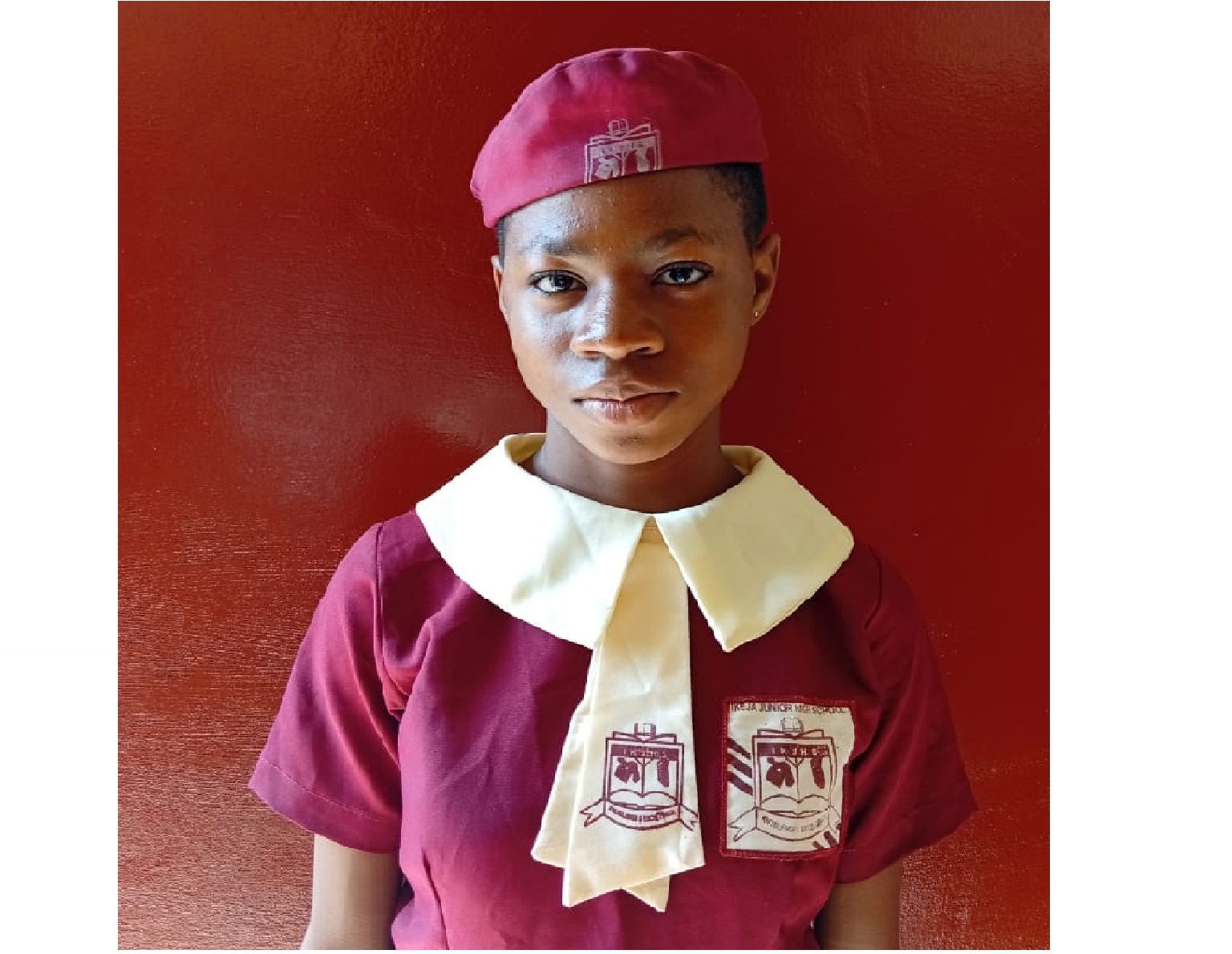
Age
14
Country of Residence
Nigeria
Founding Story: What was the spark that led you to start your project? What was the "Aha!" moment that led you to get started and see the potential for this to succeed?
My interest in bead-making started when someone gave me beads of different colours. I put them on a table and started arranging them, thinking about how I could join them together to make something. I later got a fishing line and started putting the beads through it until I joined them together in one loop. I was excited to see that simple beads could become something useful and beautiful. That experience made me curious to learn more. I continued practising, experimenting with different colours and designs, and eventually learned how to make different products such as bracelets, necklaces, key holders and bags. As I gained experience, I began seeing bead-making as more than just something I enjoyed doing. I saw that a practical skill could help a young person build confidence, create products and discover opportunities. My experiences at exhibitions, where I met business people, received encouragement and had some of my products bought, strengthened this idea and inspired me to create Craft-to-Impact Project so that other young people can also discover what they are capable of creating.
How do you encourage other people to join your project or learn about the problem you’re working on? If you have a new idea, tell us how you will do this in the future.
We attract people through proof. Learners' products, exhibition results and success stories show what is possible, and young people join when they see peers like them earning from a skill. • Showcases and exhibitions that put learners' work in front of the community and buyers. • Student ambassadors who share their journey in schools, churches, youth groups and on social media. • Partnerships with schools and community leaders to reach young people and families directly. In future, Craft-to-Impact will grow into a multi-skill center where young people can also learn tailoring, hairdressing and shoemaking, learning from each other and discovering what they are good at.
How many people are on your team?
1
Impact: How has your project created impact / made a difference so far? Or, if at an early stage, what will impact look like?
Craft-to-Impact is built to create lasting change for young people and their communities. • For young people: A practical, marketable skill, higher confidence and the ability to earn their own income. • For families: Added household income and a reduced financial burden. • For communities: More young people productively engaged, a growing base of local young entrepreneurs, and a stronger market for locally made craft. • Multiplier effect: Because every graduate is trained to teach, one trained learner reaches many more, so impact grows beyond what one trainer can deliver. We will measure impact through the number of learners trained, peer trainers developed, products sold and learners earning income from their skill.
Project Category
My project is an existing project that I started
Project Stage
Growth (We’ve moved past the very first activities and are beginning to have consistent weekly or monthly impact)
Project Summary: Describe your project in one sentence
Craft-to-Impact Project is a youth-led skills initiative that turns simple beads into real livelihoods. It trains young people in bead-making, product design and basic business skills, so they leave with a skill they can sell, not just a certificate. Training is free or low-cost based on each learner's financial situation, and every learner is trained to teach others, so the impact multiplies.
Project title
Craft-to-Impact Project
The Problem: What problem are you helping to solve? Why does it matter to you and your community?
Young people with creative talent often have no practical route from skill to income. Skill training does exist, but many cannot afford it, and most programmes stop at teaching a craft without showing learners how to design original products, price them or reach buyers. The result is a cycle many communities know too well: • Talented young people stay idle or underemployed because they have no marketable skill. • Those who learn a skill struggle to turn it into income, so their talent goes unused. • Local communities lose out on the young entrepreneurs, jobs and craft products they could have produced. Supporting this initiative means closing that gap, so that talent becomes income and income becomes stable, independent livelihoods.
Website URL(s) or social media handles.
What’s Next: What are the next steps you plan to take to grow or strengthen your project over the next year? If your project is still in the idea stage, describe the steps you will take over the next three months to launch or begin developing it.
14. What's Next? Over the next 12 months, Craft-to-Impact will empower 500 young people within and outside my community, with at least 100 earning from their products and 25 trained as peer trainers. • Months 1-3: Pilot with 30 learners, train 5 peer trainers and set up pay-what-you-can fees. • Months 4-6: Partner with 5 schools, churches and youth groups to reach 150 learners, with peer trainers leading weekly sessions. • Months 7-9: Hold a learner showcase, attend 2 exhibitions, open order channels and reach 300 learners, 50 of them selling. • Months 10-12: Reach 500 learners in several communities, with peer trainers leading sessions. To scale and sustain it: • Train-the-trainer: every cohort produces the next trainers. • Replicable kit: lesson guide and templates for quick new locations. • Earned income: product sales and orders fund materials and fee support. • Partnerships: schools, mentors and sponsors provide venues, materials and buyers. Success will be tracked monthly through learners trained, products sold, income earned and trainers active.
Your Innovation: What is different about your project compared to other programs or solutions already out there? How is your project new or innovative?
Many skills programmes teach a craft and stop there. Craft-to-Impact is different in four ways: • Skill-to-market pathway: Design, pricing and exhibition exposure are built into the training, so learners are prepared to sell from the start. • Learn-then-teach model: Every learner is trained to become a peer trainer, so the programme grows through its own graduates. • Pay-what-you-can access: Fees are adjusted to each learner's financial situation, so cost never blocks talent. • Proven by a young founder: The model comes from lived experience, from first loop to exhibition prize to paying customers, and is led by a young person who understands the learners' challenges. Learners first master proven techniques, then develop their own signature designs. Mastery builds quality, and originality builds a brand they can call their own.
Your Solution: How are you solving this problem? Share your specific solution.
Craft-to-Impact runs a simple, hands-on pathway: Learn, Create, Teach, Earn. • Learn: Practical bead-making sessions covering colour theory, stringing techniques and finishing for bracelets, necklaces, key holders and bags. • Create: Each learner develops their own original designs and builds a small portfolio. • Teach: Top performers become peer trainers, so every graduate helps train the next group. • Earn: Learners are introduced to pricing, customer service and exhibitions, and connected with business mentors and buyers. Fees are free or low-cost, set according to each learner's financial situation, so no young person is excluded.
Your team: What role(s) do your team members play? How do you share leadership with them?
I founded and lead Craft-to-Impact, teach the bead-making skills and plan all activities. As the project grows, the team will include: 1. Peer Trainers: graduating learners who teach new learners. 2. Design Lead: guides original product design. 3. Materials Coordinator: manages stock and costs. 4. Sales and Exhibitions Lead: prepares products and customers. 5. Business Mentors: advise on pricing and quality. Student roles rotate every six months to build more young leaders