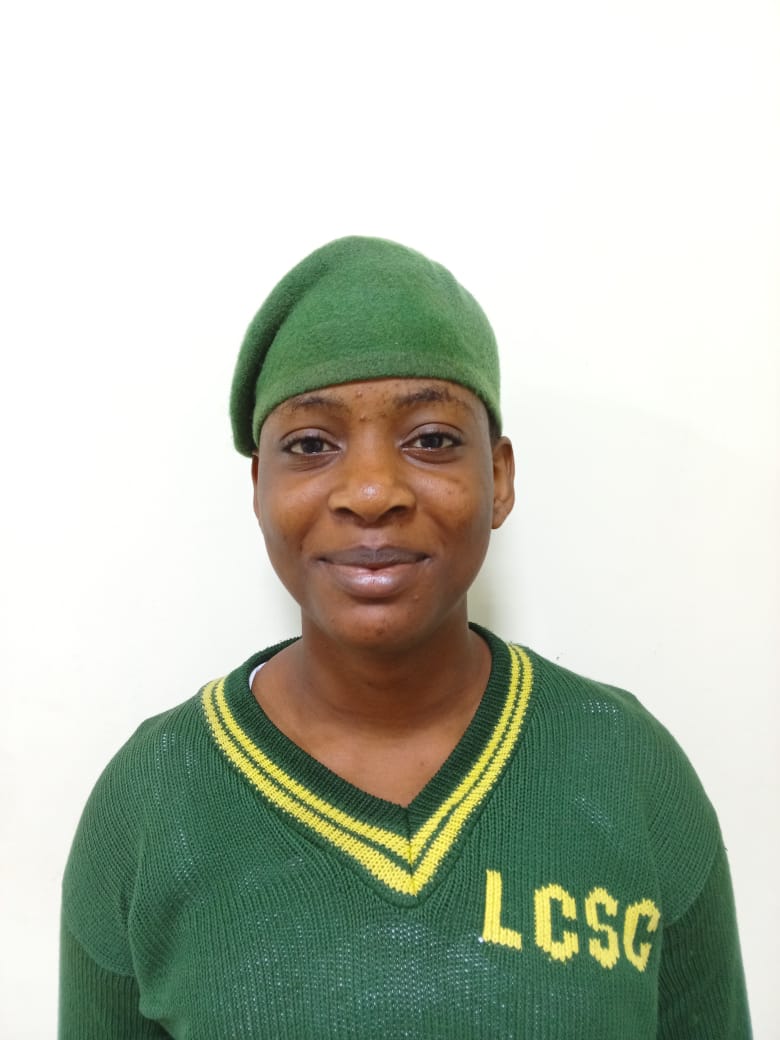
Age
14
Country of Residence
Nigeria
Founding Story: What was the spark that led you to start your project? What was the "Aha!" moment that led you to get started and see the potential for this to succeed?
I have seen girls in my school and community go through bullying, harassment, and situations that made them uncomfortable. Some knew what was happening wasn't okay, but still found it hard to speak up or ask for help. Seeing this made me want to do something to help girls around me feel more confident using their voices. I know there are organisations working to support girls, but they cannot be everywhere. There are girls in communities like mine who may never get to meet them or take part in their programmes. I started feeling that we should not always wait for someone from outside to solve a problem happening around us. When I talked to some of my fellow students about the idea, they were ready to support me. That gave me the confidence to take it seriously. I also began looking at the waste around our school and communities differently. Plastic bottles, cartons and old tyres are thrown away every day. I started thinking about what we could create from some of these materials instead. I knew I could start with the students around me. We could learn, create, speak up and take what we do to other young people through outreach. That is how Green Voices Initiative started. I want it to help girls use their voices and give students more opportunities to take action in their communities.
How do you encourage other people to join your project or learn about the problem you’re working on? If you have a new idea, tell us how you will do this in the future.
GVI will encourage students to join by giving them different ways to contribute. Students interested in girls’ empowerment can support awareness activities, while others can take part in environmental action, production, communication, documentation or outreach. The project will begin by helping students understand the problems GVI is addressing and giving them space to share what they have seen in their own school and communities. Interested students can then choose areas where they would like to contribute and take responsibility for specific tasks. The girls’ sessions and Waste to Value challenges will make participation practical. Students will have opportunities to speak, create, organise and lead rather than only listen to presentations. Through community outreaches, students will learn that their responsibility does not stop at the school gate. They can share what they have learnt with other young people and encourage them to take action on problems in their own communities. GVI’s goal is to grow through student ownership. Students who join today can become peer leaders and mentors who bring in others, lead activities and help the initiative continue growing.
How many people are on your team?
2
Impact: How has your project created impact / made a difference so far? Or, if at an early stage, what will impact look like?
GVI has not started yet, so these are the changes the project aims to achieve during its first three months. At least 30 students will participate, with the aim that girls involved report greater confidence in speaking up, setting boundaries and knowing where to seek support. Simple before-and-after reflections will be used to measure this change. For the wider student group, GVI aims to increase students’ willingness to take responsibility for problems around them. Students will be assessed through feedback on their confidence in leading activities, working in teams and responding to community problems. The project also aims to change how students see waste. Students should become more able to identify reusable materials and more willing to turn waste into useful products instead of treating it only as rubbish. Through outreach to some low-income communities in Lagos, Nigeria, such as Makoko, Oyingbo and Bariga, GVI aims to extend these changes beyond the school and encourage other young people to take practical action in their own communities. The long-term impact is to develop young people who are more confident about using their voices, more responsible for their surroundings and more willing to lead positive change.
Project Category
My project is a brand new / emerging idea
Project Stage
Idea (We’re hoping to get started in the future)
Project Summary: Describe your project in one sentence
Green Voices Initiative is a student-led project that helps girls build the confidence to speak up, understand their boundaries and seek support, while giving students practical ways to address environmental problems through creative reuse of waste and community outreach.
Project title
Green Voices Initiative (GVI)
The Problem: What problem are you helping to solve? Why does it matter to you and your community?
Many girls in my school and surrounding communities experience bullying, harassment, humiliation and situations that make them feel unsafe or uncomfortable. Some are afraid to speak up, while others may not know how to set boundaries, say no or ask for help. These experiences can affect a girl’s confidence and also her academics, especially when fear or embarrassment makes it harder to concentrate, participate in class or perform at her best. Young people are also growing up around environmental problems that have become normal to us. Plastic bottles, cartons, old tyres and other waste are often left on roads, around schools and in our communities. Students may hear about keeping the environment clean, but they are not always given practical opportunities to act on what they see. If these challenges continue, girls may keep struggling in silence, while students may continue seeing environmental problems as someone else’s responsibility. This can affect confidence, academic participation and students’ willingness to take responsibility for their communities.
Website URL(s) or social media handles.
What’s Next: What are the next steps you plan to take to grow or strengthen your project over the next year? If your project is still in the idea stage, describe the steps you will take over the next three months to launch or begin developing it.
In the first three months of GVI’s launch, the focus will be on building the team, running the first activities and testing the model in school. Month 1: Interested students will be introduced to GVI, roles will be assigned and the team will plan the launch activities. Month 2: GVI will organise its first girls’ sessions on self-confidence, speaking up, boundaries, personal safety, bullying and harassment. The environmental team will also identify and collect suitable waste materials. Month 3: Student teams will take part in the first Waste to Value challenge and display their products. The team will then organise a community outreach to young people in Makoko, Oyingbo or Bariga. Through community outreach, students will learn how to share what they have learnt and encourage other young people to take action in their own communities. The team will document activities and collect feedback to improve the model. GVI’s goal is to grow through student ownership. Students who join today will be supported to become peer leaders, facilitators and mentors who can lead activities and help new students join.
Your Innovation: What is different about your project compared to other programs or solutions already out there? How is your project new or innovative?
There is a saying in the community where this initiative will be carried out: “If you want to capture a monkey, you must act as one.” Organisations and individuals are already working to support girls and address environmental problems. What makes GVI different is that it is student-led, allowing learners to take part in solving problems they understand from their own experience. Students are more likely to listen and respond to messages when they see their peers taking part in the work. Instead of only receiving information from an outside programme, they will help identify problems, plan activities and lead parts of the solution. GVI also connects girls’ empowerment with environmental action. Students can build confidence and leadership while also organising awareness activities, leading Waste to Value challenges and creating useful products from discarded materials. The initiative will have clear student roles in awareness, production, communication, documentation and outreach. This means the work is shared rather than depending on one person. GVI will also use resources available in schools and communities, making the model easier to adapt. Different schools can focus on the issues that matter most to their students while using the same approach of student leadership, practical action and community outreach. The difference is not simply the activities. It is putting students at the centre of identifying problems, leading solutions and taking what they learn beyond the school.
Your Solution: How are you solving this problem? Share your specific solution.
Green Voices Initiative will create a student-led platform that connects girls’ empowerment with environmental action. Students will learn, work together and take practical action on issues affecting their school and surrounding communities. For girls, sessions will cover self-confidence, personal safety, boundaries, bullying and harassment. They will learn how to speak up, seek help and identify trusted people they can approach. Students will also support awareness activities and take these messages to other young people. For the environmental side, students will identify, collect and sort reusable waste such as plastic bottles, cartons and old tyres. Waste to Value challenges will be organised, where student teams turn discarded materials into useful or creative products and display their work in a small exhibition. Students will share responsibilities across awareness, environmental activities, production, documentation, communication and outreach. Teachers and trusted adults can provide guidance where needed. Through community outreaches, students will share what they have learnt with other young people and encourage them to take action in their own communities. The goal of GVI is to help young people become more confident, responsible and willing to act when they see a problem around them.
Your team: What role(s) do your team members play? How do you share leadership with them?
GVI is currently at the development stage and is building a student team for the launch. The team will have defined roles covering girls’ empowerment, environmental activities, Waste to Value production, communication, documentation and community outreach. A project coordinator will oversee the teams and keep activities aligned with GVI’s goals. Students will have specific responsibilities and opportunities to lead, while teachers and trusted adults can provide guidance where needed.