
Country of Residence
Nigeria
Age
18
Project title
MIND WAVE: Youth Mental Health Awareness Initiative
Project Summary: Describe your project in one sentence
MIND WAVE is a youth-led mental health awareness initiative that listens to young Nigerians, creates safe spaces for open conversations, and connects them with knowledge and pathways to appropriate support.
Website URL(s) or social media handles.
https://www.linkedin.com/in/hafsat-ahmad-510860401
Project Category
My project is a brand new / emerging idea
Project Stage
Pilot-Stage (We’ve tried an activity or two)
Founding Story: What was the spark that led you to start your project? What was the "Aha!" moment that led you to get started and see the potential for this to succeed?
For almost two weeks, I kept thinking about what problem I could address through the Carnegie Challenge. I wanted to participate, but I was struggling to find something that felt meaningful enough to pursue. At one point, I almost decided not to participate at all. Then one night, I woke up from a nightmare and had a panic attack. As I was trying to calm myself down, one thought suddenly came to me: someone out there is probably going through something even worse right now, and they may not have anyone to talk to or even understand what they are experiencing. I also do not have anyone to speak to but the AI(chatgpt) which I know it's not the most reliable thing to do. As someone who personally struggles with anxiety, PTSD, ADHD, low mood and stress, that moment hit differently, I started thinking about how many young people may be struggling silently, especially in Nigeria, where mental health is still not discussed as openly as physical health issues such as cancer, diabetes and HIV. That was my “aha!” moment. I realized I could not solve the whole problem, but I could start a conversation. That same night, I created the survey, began thinking about the activities, and started putting together a team.
The Problem: What problem are you helping to solve? Why does it matter to you and your community?
Mental health remains one of the most overlooked problem facing young Nigerians today. Conditions like anxiety, depression, PTSD, OCD, and ADHD are widespread, yet rarely discussed openly and even more rarely treated with the seriousness they deserve. While health issues like cancer, HIV, diabetes, kidney disease and so on, receive attention and sympathy, mental health is often dismissed as weakness, "being dramatic" in some Nigerian homes they'd tag it as someone being possessed by spirits (jinns) or simply ignored. This silence has real costs, many young people struggle quietly, without support or someone to talk to, and in the most severe cases, this silence escalates into suicide. So much youths have committed suicide because of depression. This problem matters to me because I'm personally a victim of anxiety, and I know how isolating it feels when there's no safe space to talk about it. My survey research shows, peers and young youths carry heavy emotional weight quietly, afraid of judgment or simply unaware that what they're feeling has a name and can be addressed. Young Nigerians, deserve a space where they can speak honestly about what they're going through without stigma, and be gently guided toward real support, whether that's professional help, practical advice, or simply being heard. This is the gap I want to help close.
Your Solution: How are you solving this problem? Share your specific solution.
Our solution is a virtual mental health awareness initiative, We started by creating a survey to understand exactly what young Nigerians are struggling with and what kind of support they actually want, rather than guessing, the results are shaped our workshop content, what needs to be addressed directly aligns with the responses we have gotten from the survey. In action, it works like this: each virtual session opens with a guided conversation on a specific topic, for example, anxiety or the stigma around therapy, led by a facilitator from our team of 7. Participants share anonymously if they choose, ask questions, and hear from peers going through similar experiences. Where someone's situation needs more than conversation, we gently guide them toward professional help, connecting them with hospitals or mental health professionals rather than leaving them to figure it out alone. We close each session with practical, actionable steps participants can use immediately, and follow up afterward so support doesn't end when the call does. The difference this makes is significant, young people who might never bring these issues up at home or school get a space to speak, be heard, and be pointed toward real help, often for the first time. Our long-term vision is to grow this into a website where young Nigerians can access this same support year-round. We're starting small and virtual, but building toward something sustained.
Impact: How has your project created impact / made a difference so far? Or, if at an early stage, what will impact look like?
MIND WAVE has moved from an idea to a small but meaningful pilot. I began by listening to young people through a mental-health survey, which received 41 responses and helped me understand how young people view mental health, the challenges they experience, and what may prevent them from seeking support. I then turned those findings into action by organizing a virtual Youth Mental Health Awareness Workshop, bringing young people together for conversations about recognizing mental-health struggles, protecting their wellbeing, supporting friends, and knowing when to seek help. The workshop created a space where participants could learn, reflect, ask questions, and share their perspectives. Participants stayed engaged throughout the session, and several reached out afterwards asking to be added to the community. Many also requested that future sessions be longer, showing an interest in continuing the conversation. The feedback also highlighted areas for improvement, particularly creating more opportunities for every participant to speak and allowing more time for discussion. For me, this is the beginning of MIND WAVE's impact. The first step was listening, the next was creating a space for conversation, and the next will be improving and expanding that space based on what young people tell us they need.
Your Innovation: What is different about your project compared to other programs or solutions already out there? How is your project new or innovative?
Most mental health awareness efforts in Nigeria stop at "awareness" a poster, a one-off talk, a hashtag, without giving young people anywhere to go afterward. Our project is different because it's built on data, before designing a single session, we surveyed young Nigerians directly to find out what they're actually struggling with, and we're shaping our content around the responses we've gathered. We're also innovating in the follow-through. Rather than treating awareness as the end goal, we treat it as the starting point, participants who need more than a conversation are gently guided toward professional help, connected to hospitals or mental health practitioners, and given practical tools they can use immediately. Most awareness campaigns don't build in that referral pathway; we do. (This is an idea, the research team are working towards looking for mental health practitioners, therapists and hospitals we can refer the participants to) Going virtual from the start is also intentional, It removes barriers like transport, cost, and the fear of being seen walking into a "mental health event" something that matters a lot in a culture where stigma is still strong. This means we can reach young Nigerians beyond one campus or city, and we're building this as the early, low-cost version of something bigger: a website where this same support exists year-round, not just during a scheduled workshop.
How many people are on your team?
7
Your team: What role(s) do your team members play? How do you share leadership with them?
Team of 7. • Hafsat Sani Ahmad — Founder/Lead: vision, coordination, facilitation • Jemimah Jerry — Research & Content • Joshua Simon — Community & Participants • Confidence Zenom Suleiman &Halima Abdullahi, — Media & Communications • Alameen Sabo, Samuel Justice — Operations & Evaluation
What’s Next: What are the next steps you plan to take to grow or strengthen your project over the next year? If your project is still in the idea stage, describe the steps you will take over the next three months to launch or begin developing it.
Over the next year, I want to build on MIND WAVE’s first pilot and turn it into a more consistent and youth-centered initiative. First, I will document and evaluate the survey and workshop findings, using participant feedback to improve future activities. In particular, I want to create more inclusive spaces where participants can actively contribute, while allowing more time for discussion. I also plan to organize additional mental-health awareness sessions and conversations for young people, both virtually and, where possible, in-person. These sessions will continue to focus on practical mental-health education, reducing stigma, encouraging healthy coping, and helping young people understand when and where to seek appropriate professional support. As the initiative grows, I hope to build partnerships with mental-health professionals, youth organizations, student communities, and other young people working in related areas. These partnerships can help us provide more reliable resources and reach young people beyond our initial network. I also want to strengthen MIND WAVE's monitoring and evaluation so that we can measure participation, learning, feedback, and changes over time rather than simply counting attendance. Ultimately, my goal is to grow MIND WAVE responsibly, allowing young people's experiences and feedback to continue shaping what we do.
How do you encourage other people to join your project or learn about the problem you’re working on? If you have a new idea, tell us how you will do this in the future.
We activate others through both community outreach and content. Our Community & Participants lead recruits participants directly through personal networks, school and campus communities, and word of mouth, while our Media & Communications team creates graphics and social media content to reach young Nigerians beyond our immediate circle. Our pre-workshop survey doubled as an engagement tool too, it got 41 responses and it will help us start conversations about mental health in our first session. Going forward, we plan to grow this by encouraging participants to invite peers after each session, sharing feedbacks, takeaways and testimonials (with consent) on social media to spark curiosity, and partnering with student unions and youth groups so the invitation to join comes from trusted voices within each community, not just from us.
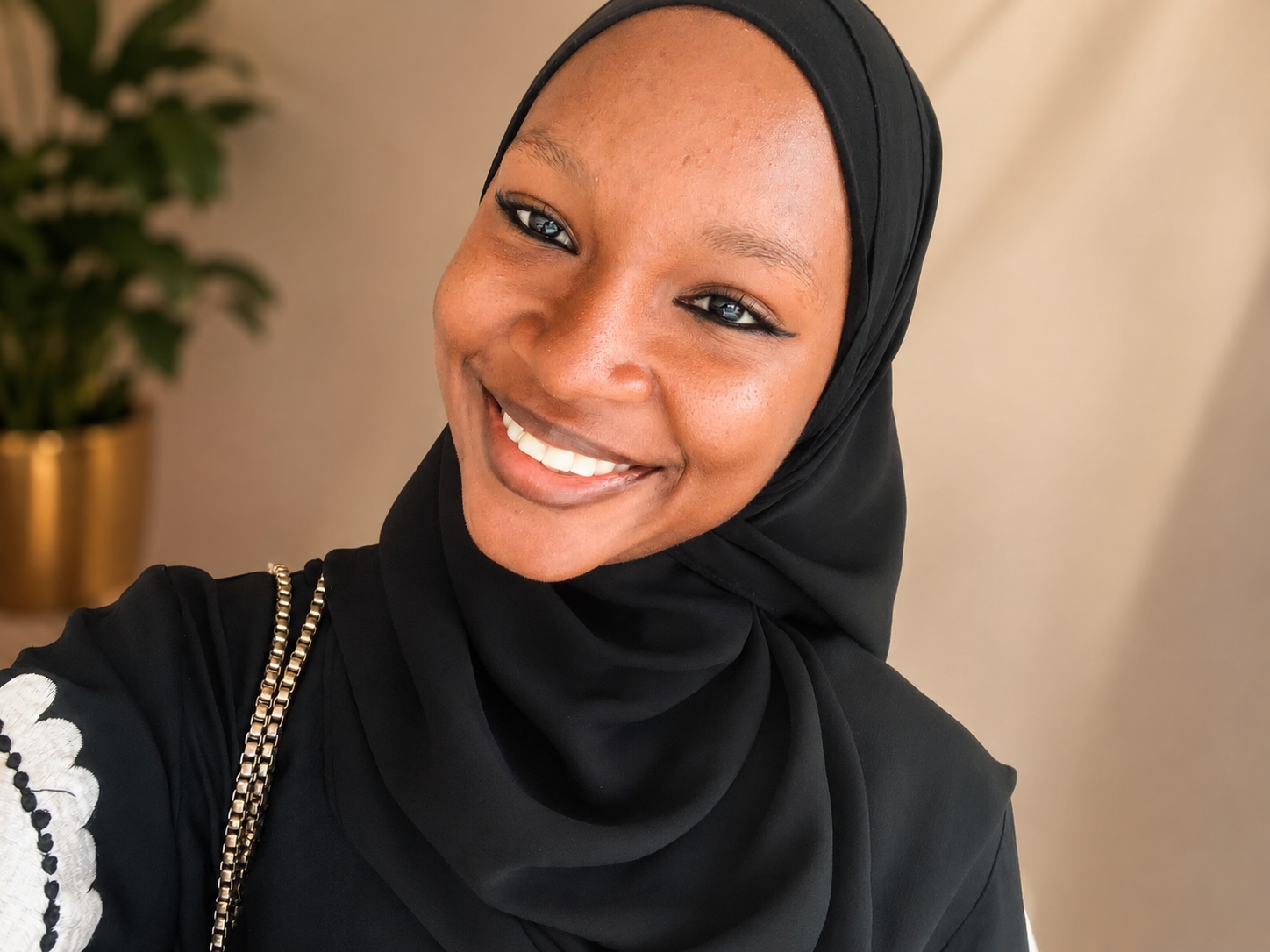
4 days ago
I'm honoured to participate in this challenge, my appreciationsss ❤️