Country of Residence
Kenya
Founding Story: What was the spark that led you to start your project? What was the "Aha!" moment that led you to get started and see the potential for this to succeed?
I got this idea because I noticed that children in a local primary school do not have enough storybooks to read. The school has a library, but it has very few books compared with the number of pupils. I spoke with children, teachers and parents to understand the problem. They told me that some of the available books are old, damaged or not suitable for children aged 8–12. Children also have to share the few books available, and they would like more interesting stories to read. When I shared my idea of improving the library, the children, teachers and parents were very happy and said they were eager to see it start so that children could have more opportunities to access books. I enjoy bringing people together and organising activities. This encouraged me to think of a project that involves young people, parents and teachers working together. I want to help children enjoy reading by making more suitable storybooks available to them.
How do you encourage other people to join your project or learn about the problem you’re working on? If you have a new idea, tell us how you will do this in the future.
I will encourage other young people to understand that they do not have to wait until they are adults to help solve problems in their communities. I noticed that children did not have enough interesting storybooks to read, so I decided to think of a way to help. I want to show other young people that they can also identify problems and work with others to find solutions. I will invite young people to volunteer and help organise reading and storytelling activities. I will also encourage parents and community members to support the project by donating suitable books or helping in other ways. As we carry out the project, I hope to share our experiences with other children and young people. I want them to see that when people work together, even a simple idea can create opportunities and make a positive difference in the community.
How many people are on your team?
50
Impact: How has your project created impact / made a difference so far? Or, if at an early stage, what will impact look like?
I want children to have better access to interesting and suitable storybooks. Over six months, we hope to add about 80–100 new storybooks to the existing school library and reach approximately 50 children aged 8–12. We also plan to organise 12 reading sessions and two storytelling events. Children will have more books to choose from instead of depending on the small number currently available. They will have opportunities to read aloud, listen to stories and share what they have learned. The children, teachers and parents I have spoken with are happy about the idea and are eager to see it begin. Their support encourages me to work towards making it happen. We will keep records of the books purchased and donated, children attending the reading sessions and books borrowed. We will also ask children and teachers for feedback to understand whether access to storybooks has improved. I hope the project will encourage children to enjoy reading and help the school maintain a stronger library.
Project Category
My project is a brand new / emerging idea
Project Stage
Idea (We’re hoping to get started in the future)
Project Summary: Describe your project in one sentence
I want to bring young people, parents and teachers together to add more interesting storybooks to an existing primary school library and organise reading and storytelling activities for about 50 children aged 8–12.
Project title
Read Together, Grow Together
The Problem: What problem are you helping to solve? Why does it matter to you and your community?
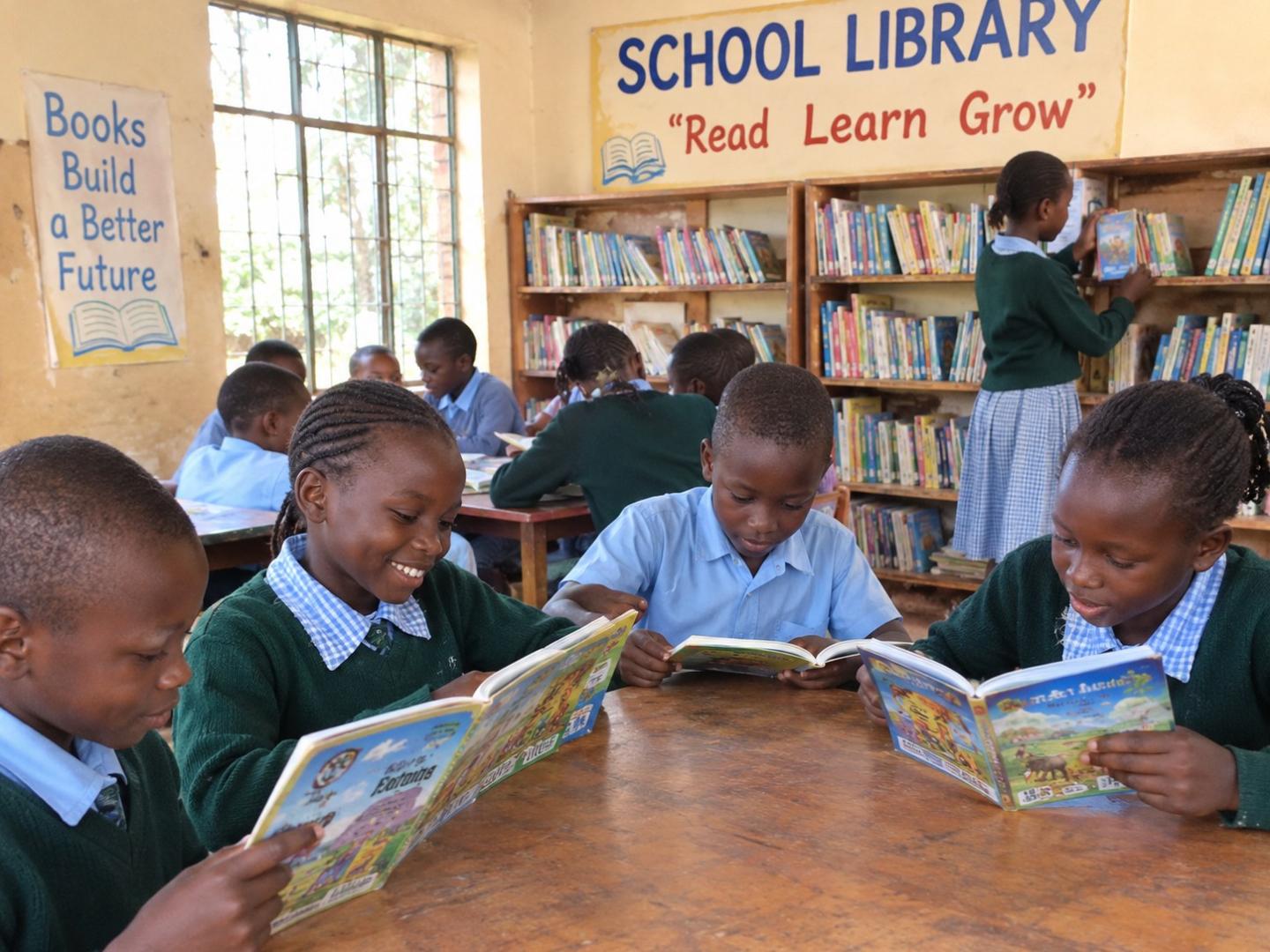
A local primary school has a library, but it has very few storybooks compared with the number of pupils. After speaking with children, teachers and parents, I learned that some of the available books are old, damaged or unsuitable for children aged 8–12. Children often have to share a small number of books, and many would like more interesting storybooks to read. This means they do not have enough choices or opportunities to enjoy reading different stories. I believe children should have access to good books that help them learn new things, use their imagination and develop an interest in reading. The children, teachers and parents I spoke with welcomed my idea and are eager to see it begin. I want to help solve this problem by adding more suitable storybooks to the existing library and organising activities that encourage children to read.
Website URL(s) or social media handles.
What’s Next: What are the next steps you plan to take to grow or strengthen your project over the next year? If your project is still in the idea stage, describe the steps you will take over the next three months to launch or begin developing it.
My next step is to work with the headteacher and teachers to agree on how the project will operate in the existing school library and obtain the necessary permission. I will work with my parents and other neighbouring parents to organise support for the project. We will ask teachers to help us identify suitable storybooks for children aged 8–12, check their prices and prepare a realistic purchasing plan. We plan to purchase about 80–100 storybooks and invite community members to donate additional suitable books. Over six months, we hope to reach approximately 50 children, organise 12 reading sessions and hold two storytelling events. We will keep records of the books added, children's participation and books borrowed. We will also ask children and teachers for feedback. At the end of the project, we will work with the school to encourage children to continue using and caring for the books.
Your Innovation: What is different about your project compared to other programs or solutions already out there? How is your project new or innovative?
My idea is different because I want to improve a library that already exists instead of building a new one. The school has a library, but it needs more suitable storybooks for children. We will purchase new storybooks and also welcome additional book donations from the community. This will give children more choices and make better use of the existing library. Another important part of the idea is involving young people in reading and storytelling activities. We will not only provide books but also encourage children to use them, read together and share stories. I also want children, parents and teachers to be involved because they understand the reading needs of the school. Their feedback has helped me understand the problem and develop this idea. I believe that combining more books with enjoyable reading activities can make the library more useful and encourage children to develop an interest in reading.
Your Solution: How are you solving this problem? Share your specific solution.
My solution is a project called Read Together, Grow Together. I want to bring together young people, parents and teachers to improve the existing library at a local primary school. We plan to purchase about 80–100 interesting and suitable storybooks for children aged 8–12. We will also invite parents and other community members to donate additional books. Teachers will help us choose books that are appropriate for the children's ages and reading interests. With the school's permission, we plan to organise 12 reading sessions over six months and two storytelling events. During these activities, young volunteers will help children choose books, read stories aloud and talk about what they have read. I have already spoken with children, teachers and parents about the shortage of books. They were happy about the idea and are eager to see it start. I will lead the project with guidance from my parents and support from other neighbouring parents. Teachers will help us select suitable books and supervise the activities. A responsible adult will be present to help ensure that the children are safe.
Your team: What role(s) do your team members play? How do you share leadership with them?
I will lead and coordinate the project with guidance from my parents. Neighbouring parents will help mobilise community support and encourage children's participation. Young volunteers will help arrange books and organise reading activities. Teachers will guide book selection and supervise sessions. The learners will participate in reading and storytelling activities.