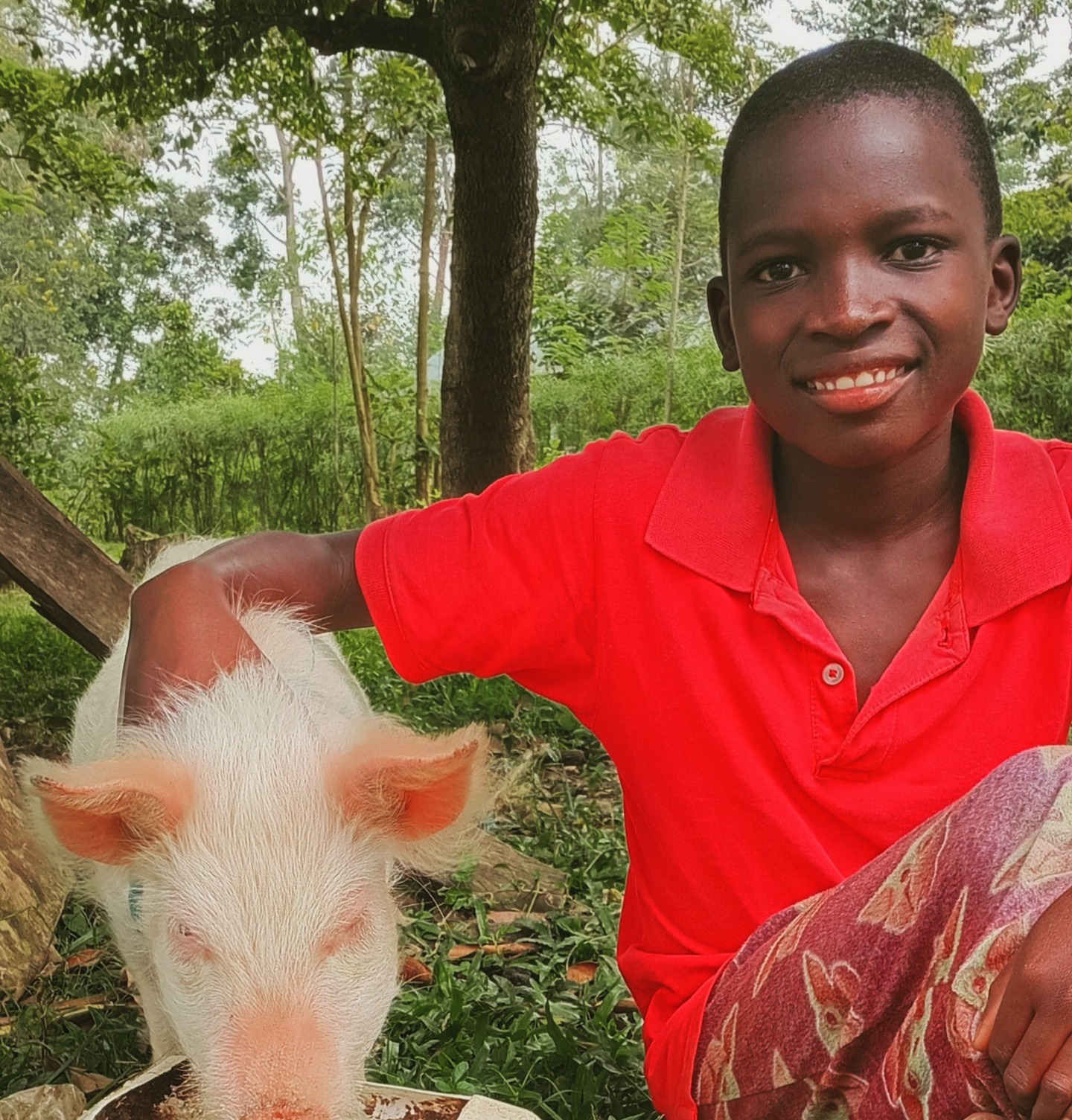
Age
13
Country of Residence
Kenya
Founding Story: What was the spark that led you to start your project? What was the "Aha!" moment that led you to get started and see the potential for this to succeed?
My inspiration for Voices for Farm Animals came from realizing that animals are often harmed because of cultural practices and traditions that people rarely question. I began thinking about how farm animals, especially chickens, deserve compassion and should not have to suffer for people to celebrate important moments in life. My “Aha!” moment came when I saw an opportunity to encourage families to plant trees when a child is born instead of sacrificing a chicken. I realized that we could celebrate life by protecting other forms of life. What started as a simple idea has reportedly inspired 10 families to plant trees. This made me believe that young people can help change attitudes in our communities through education, creativity and positive examples rather than criticism. I wanted to do more than speak about animal suffering; I wanted to inspire practical solutions that benefit animals, people and the environment. That is why I am growing Voices for Farm Animals: to use digital storytelling, school activities and community conversations to help young people and families make more compassionate and environmentally friendly choices. I believe every young person can be a voice for animals and a champion for our planet.
How do you encourage other people to join your project or learn about the problem you’re working on? If you have a new idea, tell us how you will do this in the future.
We engage others through our team of 20 members, Instagram posts, animal illustrations, educational videos and school activities. We encourage young people, especially in rural communities, to use digital tools like tablets to create animal-related content and become advocates. We also involve families through community conversations and positive actions, such as planting trees instead of sacrificing chickens. Our goal is to inspire more young people and families to protect animals and the environment.
How many people are on your team?
20
Impact: How has your project created impact / made a difference so far? Or, if at an early stage, what will impact look like?
Voices for Farm Animals is growing from a young person's passion for animal welfare into an initiative that inspires positive change in the community. One of our most encouraging achievements is Edgar's effort to promote planting trees when a child is born instead of sacrificing a chicken. This compassionate alternative has reportedly inspired 50 families to plant trees, showing that changing traditions through positive ideas can benefit both animals and the environment. I have begun using Instagram to share messages about animal advocacy and encourage others to think differently about how animals are treated. The page has attracted 757 followers. https://www.instagram.com/voiceforfarmanimals/ This year, my participation in the LEAP Youth Advisory Council has further strengthened my leadership, learning and commitment to creating change. With permission from my school, am preparing to introduce educational activities for fellow students. As the project develops, we aim to build a youth action team, produce educational videos, organise school learning activities and hold community conversations about animal welfare and environmental protection. Over the next six months, our targets are to engage at least 60 families, involve 5–10 young advocates, produce 6–10 educational videos and conduct at least three school activities.
Project Category
My project is an existing project that I started
Project Stage
Pilot-Stage (We’ve tried an activity or two)
Project Summary: Describe your project in one sentence
Voices for Farm Animals is a youth-led initiative using digital storytelling, school education and community engagement to promote farm-animal welfare, protect the environment, inspire compassionate and sustainable choices, and empower young people to create positive change for animals, people and the planet.
Project title
Voices for Farm Animals
The Problem: What problem are you helping to solve? Why does it matter to you and your community?
In many communities, farm animals such as chickens, goats, pigs and cows are important sources of food and income. However, their welfare is often overlooked. Some animals experience poor living conditions, neglect, unnecessary suffering and harmful treatment because people may lack awareness of their needs and the importance of treating them humanely. Some cultural practices also involve animal sacrifice, even when compassionate alternatives are possible. At the same time, communities face environmental challenges such as deforestation, biodiversity loss and climate change. I believe the way we treat animals; people and the environment is connected. Building a compassionate community means protecting all forms of life. This problem matters to me because animals cannot always speak up for themselves. I want young people in my community to understand that they can make a difference through education, responsible choices and positive action. Through Voices for Farm Animals, I want to address the lack of awareness about farm-animal welfare, encourage humane and sustainable alternatives, and inspire young people and families to protect animals and nature. I believe that changing attitudes begins with conversations, learning and small actions that can grow into lasting community change.
Website URL(s) or social media handles.
https://www.instagram.com/voiceforfarmanimals/
What’s Next: What are the next steps you plan to take to grow or strengthen your project over the next year? If your project is still in the idea stage, describe the steps you will take over the next three months to launch or begin developing it.
Over the next 12 months, I plan to strengthen Voices for Farm Animals by expanding youth participation, improving our digital advocacy and increasing our impact in schools and rural communities. First, we will strengthen our team of 20 members by providing opportunities for young people to learn about farm-animal welfare, environmental protection and digital storytelling. We will encourage members to take leadership roles and use tablets and other accessible digital tools to create animal illustrations, educational posters, short videos and social media content. Second, we will organise school-based learning activities, peer discussions and community conversations to raise awareness about humane animal treatment, compassionate food choices and environmental conservation. We will continue promoting positive alternatives, including planting trees instead of sacrificing chickens during childbirth celebrations. Third, we will build partnerships with schools, teachers, animal-welfare organisations and environmental groups to access learning resources, mentorship and opportunities for collaboration. We also hope to connect with international youth advocates to exchange ideas and share our experiences. Our goal is to make Voices for Farm Animals a growing youth-led movement in rural Kenya.
Your Innovation: What is different about your project compared to other programs or solutions already out there? How is your project new or innovative?
What makes Voices for Farm Animals different is that it combines animal welfare, environmental protection, digital creativity and youth leadership to inspire change in rural communities. While many animal-welfare campaigns focus mainly on explaining animal suffering, our approach encourages young people to communicate through creative digital content and demonstrate practical, positive alternatives. We use accessible digital tools, including tablets, to create animal illustrations, digital posters, educational videos and social media content. This makes animal advocacy more creative, engaging and accessible to young people, especially those living in rural areas who may have limited opportunities to participate in animal-welfare activities. By learning digital skills and creating content themselves, young people can become storytellers and advocates for animals in their own communities. We also promote practical alternatives to harmful practices. For example, Edgar has encouraged families to plant trees when a child is born instead of sacrificing a chicken. This idea has reportedly inspired 10 families to plant trees. It shows how a positive alternative can celebrate life, protect animals and contribute to environmental restoration. Another innovative aspect is connecting issues often addressed separately: farm-animal welfare, food choices, biodiversity and environmental sustainability. Through Instagram reels, school activities and community conversations, young people will help their peers and families understand these connections. Our innovation is not simply using technology; it is putting technology in the hands of rural youth and combining their creativity with local knowledge to make compassion practical, visible and inspiring.
Your Solution: How are you solving this problem? Share your specific solution.
Through Voices for Farm Animals, I am creating a youth-led initiative that uses education, digital storytelling and practical community activities to improve how people understand and treat farm animals while encouraging environmental protection. First, I use Instagram reels, short educational videos and photographs to share simple messages about farm-animal welfare, responsible animal care, plant-based food choices and the connection between animal protection and a healthy environment. These stories will help young people and families learn why animals deserve compassion and how everyday choices can reduce suffering. Second, I engage students through school-based learning activities, discussions and creative projects. I want to build a team of young advocates who can research animal-welfare issues, develop educational messages and encourage their peers to become voices for animals. Third, I organise respectful community conversations with families and local leaders to explore compassionate alternatives to practices that harm animals. One example is encouraging families to plant trees when a child is born instead of sacrificing a chicken. This idea has reportedly inspired 50 families to plant trees, showing how a positive alternative can benefit both animals and the environment. My goal is to demonstrate that young people do not need to wait until they are adults to make a difference. Through small, practical actions, we can build communities that show greater compassion towards animals, care for nature and create a healthier planet.
Your team: What role(s) do your team members play? How do you share leadership with them?
Edgar provides youth leadership and coordinates advocacy activities. Team members contribute by creating digital animal pictures and educational content, sharing ideas, organising school activities and engaging their peers and communities. We encourage shared leadership by giving members opportunities to suggest ideas, take responsibility and lead activities according to their interests and skills.