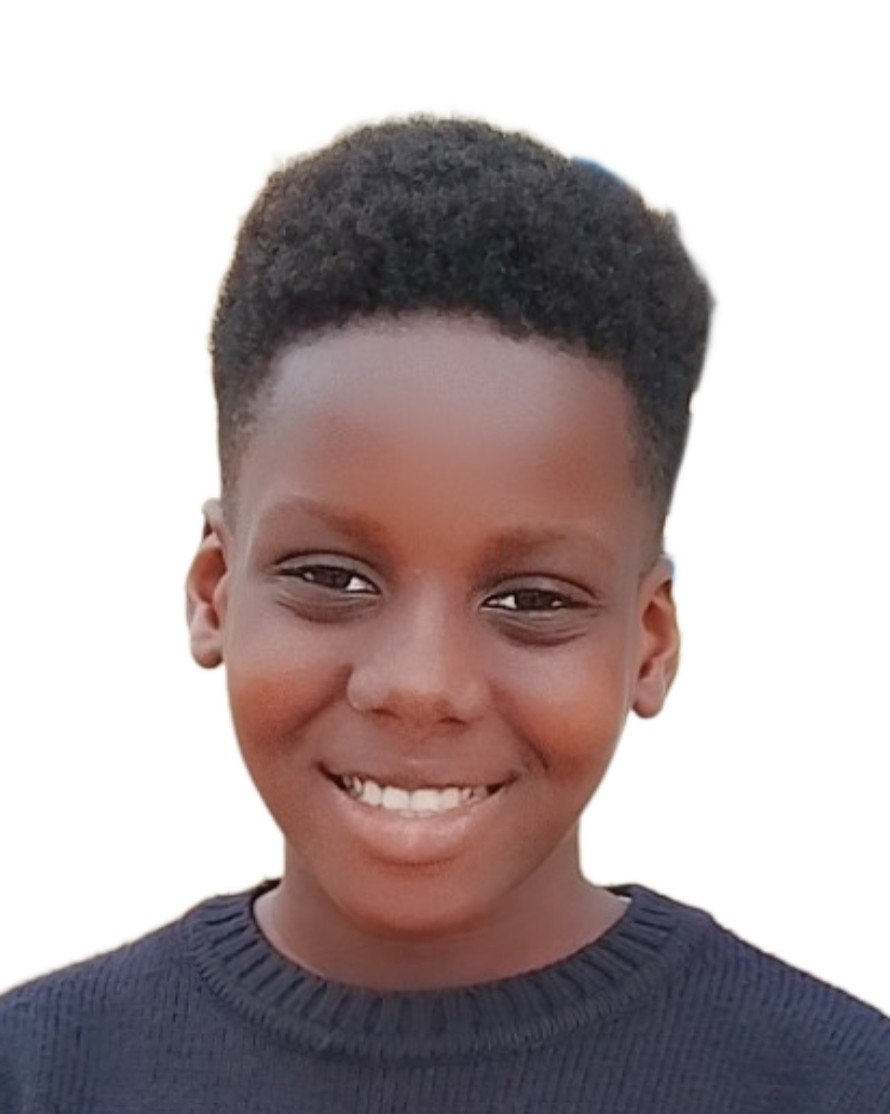
Age
11
Country of Residence
Nigeria
Founding Story: What was the spark that led you to start your project? What was the "Aha!" moment that led you to get started and see the potential for this to succeed?
My inspiration came from what I see around me in Oyigbo community. I often see people throwing plastic bottles, nylon bags and other waste on the streets and into drains. Some places are covered with rubbish, and it makes our environment dirty and unsafe. I kept wondering why we should allow our homes and community to look this way when we can do something to change it. A day came, I realised that many children, including my schoolmates, did not know enough about the harm caused by careless waste disposal or what they could do to prevent it. That was my aha moment. I asked myself, if adults are not doing enough, why can't children start making a difference? I decided to start Young Eco-Leaders because I believe children can also protect the environment. I started by educating my fellow students about proper waste disposal, separating different types of waste, and the importance of reducing, reusing and recycling. Seeing my schoolmates take part and hold plastic bottles as part of our activities made me believe that we can achieve something together. I am only 11 years old, but I believe I can make a difference. I want more students to join me because a cleaner Oyigbo starts with the choices we make today.
How do you encourage other people to join your project or learn about the problem you’re working on? If you have a new idea, tell us how you will do this in the future.
I encourage other students by talking to them about what I see happening in our environment and explaining why we all need to take responsibility. During my first school activity, I engaged 22 students through discussions and practical environmental education. I made the lessons simple so they could understand how careless waste disposal affects our surroundings and what they can do differently. I encouraged them to ask questions, participate and share their own ideas. I also want students to take the message beyond the classroom by telling their friends, brothers, sisters and parents what they have learned. As Young Eco-Leaders grows, I plan to identify students who are passionate about the environment and encourage them to help lead activities and bring more students into the project. I believe that when children learn together and encourage one another, protecting the environment becomes something we all take responsibility for, rather than something we leave for adults alone.
How many people are on your team?
1
Impact: How has your project created impact / made a difference so far? Or, if at an early stage, what will impact look like?
Young Eco-Leaders is at its early stage, but I have already started making a difference. During my first school environmental education activity, I reached 22 students and taught them about the dangers of careless waste disposal, waste separation and the importance of Reduce, Reuse and Recycle. I was happy to see my fellow students participate in the activities and understand that plastic bottles and other materials we throw away can still be useful. This is just the beginning. I want to reach more students, encourage environmental clubs in schools and help children practise proper waste management at school and at home. My dream is to inspire students to become young environmental leaders who influence their families and help make Oyigbo a cleaner, healthier and safer community.
Project Category
My project is an existing project that I started
Project Stage
Pilot-Stage (We’ve tried an activity or two)
Project Summary: Describe your project in one sentence
Young Eco-Leaders is a youth-led environmental education project that empowers students in Oyigbo, Rivers State, to tackle waste pollution by learning proper waste disposal, waste segregation and the 3Rs (Reduce, Reuse and Recycle), while inspiring their friends, families and communities to take action towards a cleaner, healthier and safer environment.
Project title
Young Eco-Leaders
The Problem: What problem are you helping to solve? Why does it matter to you and your community?
The problem I want to help solve is careless waste disposal in my community, Oyigbo, Rivers State. I see plastic bottles, nylon bags, food waste and other things dumped on streets, in open spaces and inside drainage channels. This is a serious problem because when people throw waste into drains, it can block the flow of water and contribute to flooding, especially when it rains. Rubbish also makes our surroundings dirty, pollutes the environment and can attract insects that spread sickness. What worries me most is that many people have become used to seeing rubbish everywhere. Some people do not separate their waste or understand that plastic bottles and other materials can be reused or recycled instead of being thrown away. This problem matters to me because Oyigbo is my home. I want to grow up in a clean and healthy community where children can play safely and people can live without worrying about dirty surroundings. I believe children should not wait until they become adults before protecting the environment. With Young Eco-Leaders, I want to teach my fellow students how to dispose of waste properly, separate waste and practise Reduce, Reuse and Recycle. If we learn these habits in school and take them home, we can help change our community for good.
Website URL(s) or social media handles.
https://www.linkedin.com/in/awesome-bright-823120450?utm_source=share_via&utm_content=profile&utm_medium=member_android
What’s Next: What are the next steps you plan to take to grow or strengthen your project over the next year? If your project is still in the idea stage, describe the steps you will take over the next three months to launch or begin developing it.
Over the next academic session (first quarter of next year), I want to take Young Eco-Leaders to more students and schools in Oyigbo. My first goal is to reach at least 200 students through school visits and environmental education activities. I plan to invite my Dad, who is an environmental conservationist and has received national and international awards for his work, to support practical training sessions for my fellow students. I want us to learn more about waste separation, recycling and how we can turn some discarded materials into useful products. I also want to encourage students to form environmental clubs, organise school clean-up activities and create proper places for collecting different types of waste. I plan to involve teachers and parents so that students can practise what they learn at home and in their communities. I will keep records of the students reached, schools involved and activities completed. My dream is to grow Young Eco-Leaders into a student-led movement that encourages children to take responsibility for protecting their environment.
Your Innovation: What is different about your project compared to other programs or solutions already out there? How is your project new or innovative?
What makes Young Eco-Leaders different is that it starts with children and gives them the opportunity to lead environmental change in their schools and communities. Many people talk about keeping the environment clean, but I want children to understand what they can do themselves and practise it every day. Instead of only teaching students, I want them to take what they learn beyond the classroom and share it with their families, friends and neighbours. My idea is to make waste separation, reducing plastic use, reusing materials and recycling part of students' daily habits. I also want to encourage students to form environmental clubs where they can share ideas, organise activities and remind one another to care for their surroundings. I am starting with just 22 students, but I believe these students can influence many more people. My innovation is making children part of the solution, not just teaching them about the problem. I want to show that even an 11-year-old can inspire others to protect the environment.
Your Solution: How are you solving this problem? Share your specific solution.
My solution is to educate and encourage students to become part of the solution to waste pollution in our schools and communities. With Young Eco-Leaders, I visit my school environment and engage fellow students in simple lessons about proper waste disposal and how our daily actions affect the environment. I teach them how to separate waste, such as plastic bottles, nylon bags, paper and food waste, instead of mixing everything together. I also teach them the 3Rs: Reduce, Reuse and Recycle. I explain that we can reduce the plastic we use, reuse some materials instead of throwing them away, and keep recyclable materials separate so they can be collected and processed into new products. I encourage students to stop throwing waste on the ground or into drainage channels. I also ask them to share what they learn with their parents, brothers, sisters and friends so that the message can reach more homes.
Your team: What role(s) do your team members play? How do you share leadership with them?
I am currently leading Young Eco-Leaders myself. I plan the activities, speak to students and teach them about protecting the environment. The 22 students who participated in my first activity are the first group I have engaged. I encourage them to share ideas, participate and teach others what they learn. As the project grows, I hope to identify interested students who can help lead activities in their schools.